Why Heating and Cooling Systems Need Yearly Tune-Ups
Most people don't think about their heating and cooling system until it stops working. Then, suddenly, it's the only thing on their mind. A yearly tune-up is one of the simplest ways to avoid that scramble, but a lot of homeowners aren't quite sure what it actually involves or why it matters so much.
Think of it like the regular check-ins you'd give a car. You don't wait for the engine to seize up before changing the oil. Your heating and cooling system works the same way. It has moving parts, electrical connections, and airflow paths that all need attention before they turn into bigger problems.
Below, we'll walk through what happens during a typical tune-up and the kinds of failures it helps you steer clear of, especially the ones that tend to show up at the worst possible time.
What a Tune-Up Actually Involves
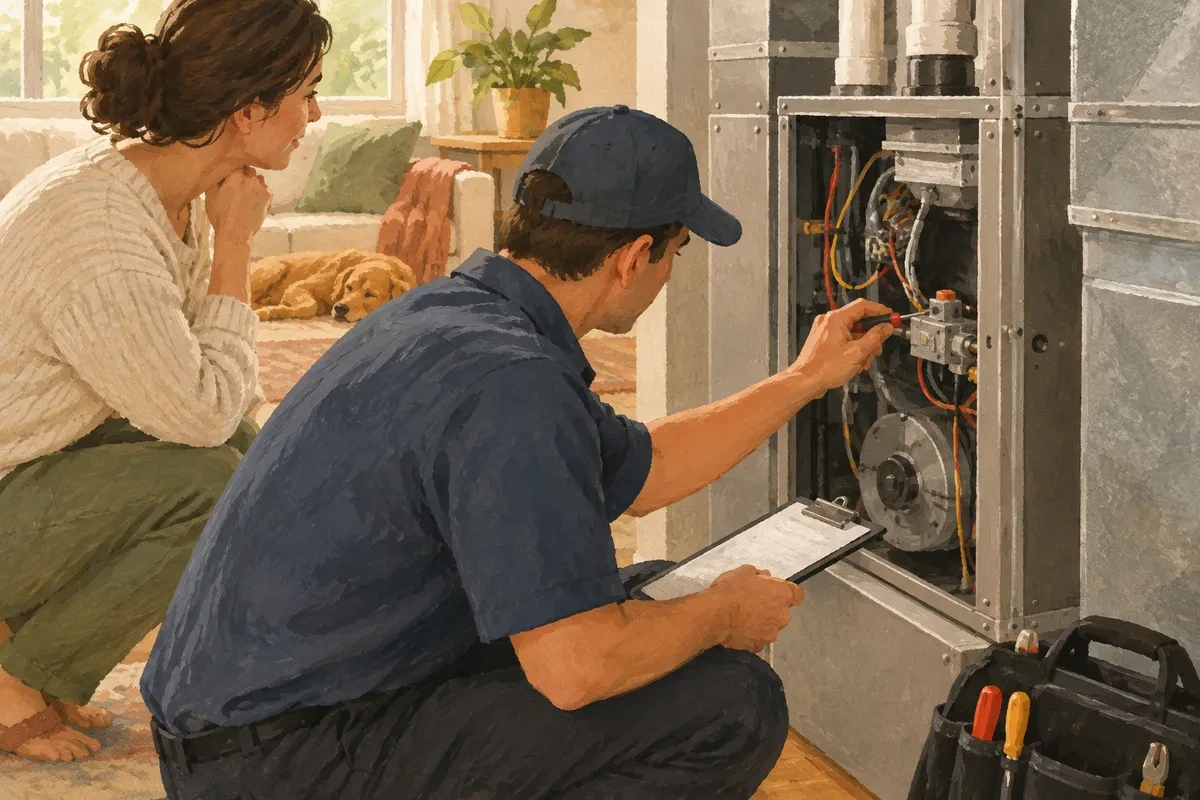
A tune-up is a hands-on inspection of your system, not a quick glance. A technician will check electrical connections, test safety controls, and look at moving parts like belts and motors for wear. They'll also check refrigerant levels in cooling systems and look over the heat exchanger in furnaces to make sure everything is operating the way it should.
Airflow gets attention too. Filters, coils, and ductwork can collect dust and build-up over time, which makes the system work harder than it needs to. Cleaning and clearing these areas helps your unit breathe easier and often leads to steadier, more even temperatures throughout your home.
Finally, a technician will listen. Odd sounds, unusual smells, or inconsistent cycling are often the first clues that something is starting to wear down. Catching these small signs early is a big part of what makes yearly maintenance worthwhile.
The Failures Tune-Ups Help You Avoid
Many heating and cooling breakdowns don't happen out of nowhere. They build slowly, often starting with a small issue that goes unnoticed. A worn belt, a loose electrical connection, or a dirty coil might not cause a problem right away, but over time these small issues put more strain on the system.
That extra strain adds up. Motors overheat, parts wear out faster, and systems that would normally run for many years start needing repairs much sooner. A yearly check helps catch these small warning signs while they're still easy to address, rather than waiting until they turn into a system that won't turn on at all.
It's also worth remembering that these failures tend to happen during extreme weather, when the system is working its hardest. That's exactly when you don't want a surprise breakdown.
Why Timing Matters in Raleigh's Climate
Here in Raleigh, our systems get a real workout. Summers bring long stretches of heat and humidity, and winters can swing from mild to sharply cold. That means your air conditioner and your furnace or heat pump both put in serious hours throughout the year, often back-to-back with very little downtime in between.
Scheduling maintenance before each heavy-use season, spring for cooling and fall for heating, gives your system a chance to be checked over while demand is still low. This timing means small issues can be addressed before the system is asked to run for hours at a time in tough conditions.
If you're unsure when your system was last serviced, or it's been a while since anyone looked at it, that's a good reason to give us a call and talk through your specific setup.
What Happens When Maintenance Gets Skipped
Skipping a tune-up doesn't usually cause an immediate problem. Systems can run for a while without attention, which is part of why it's easy to put off. But over months and years, dust build-up, worn parts, and small electrical issues tend to pile up quietly in the background.
Eventually, something has to give. It might be a system that stops cooling on the hottest day of summer, or a furnace that won't kick on during the first cold snap of the year. These breakdowns often happen at the most inconvenient times simply because that's when the system is working hardest.
Regular maintenance won't change the fact that parts wear out eventually, but it does give you a much clearer picture of your system's condition, so surprises are less likely to catch you off guard.
Making Maintenance Part of Your Routine
The easiest way to stay ahead of heating and cooling issues is to treat maintenance as a routine part of homeownership, not an afterthought. Marking it on a calendar once a year, ideally before the busy seasons, takes the guesswork out of remembering.
If you have questions about your specific system, whether it's an aging furnace, a heat pump that's been acting a little off, or ductwork you're not sure has ever been cleaned, we're happy to talk through what makes sense for your home. Every setup is a little different, and a quick conversation can help you understand what your system might need.
Give us a call at Blue Heron Heating & Air whenever you have questions about keeping your Raleigh home comfortable through every season.
Questions about your own situation? The team at Blue Heron Heating & Air is happy to help — call us at (919) 555-0164 or request an appointment.
This article is for general information only.