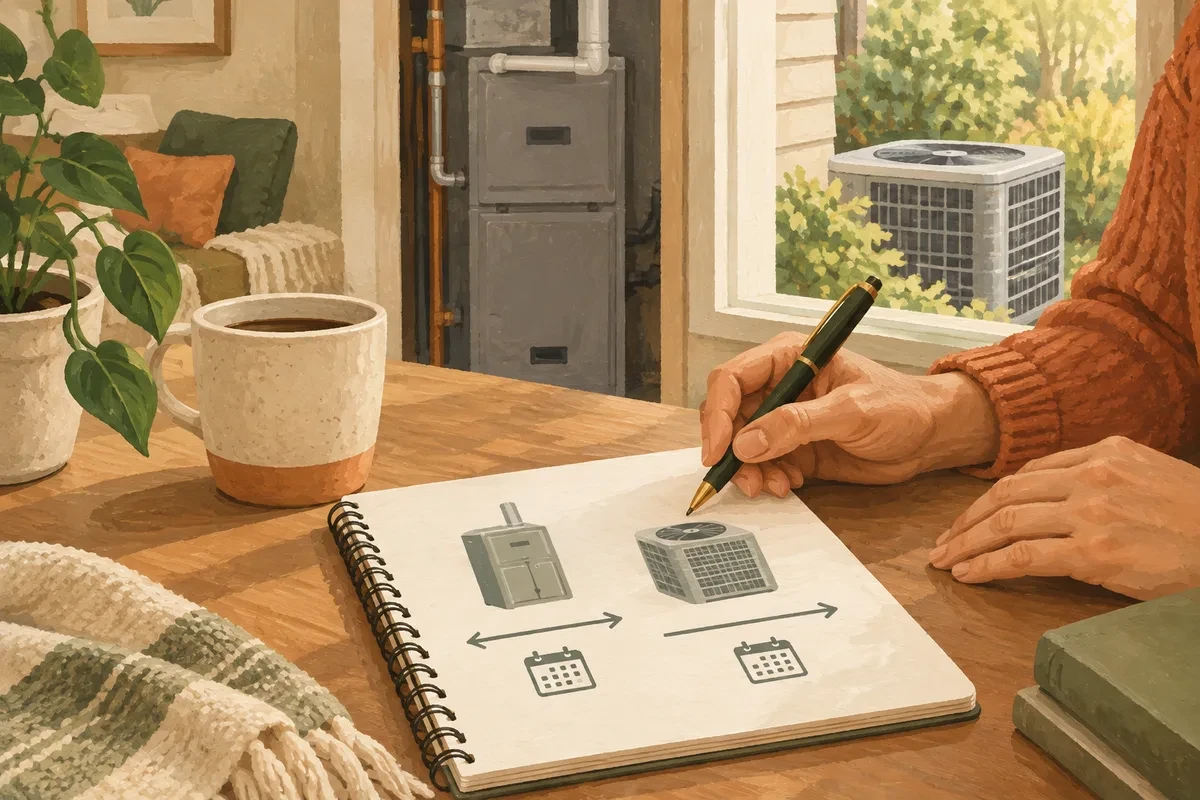
How Long Furnaces and ACs Really Last
If you have ever wondered whether your furnace or air conditioner is nearing the end of its road, you are not alone. Homeowners across Raleigh ask this question every year, especially when the weather shifts and their system has to work a little harder. Knowing roughly how long these systems last can help you plan ahead instead of getting caught off guard by a breakdown on the coldest night of winter or the hottest day of summer.
The truth is that there is no single answer that fits every home. A furnace or air conditioner's lifespan depends on how it was installed, how often it is used, how well it has been maintained, and even the quality of the air moving through it. This post walks through what typically shapes a system's life, what tends to wear it out early, and the signs that tell you your equipment is getting older.
How Long Should a Furnace or AC Last?
Most furnaces are built to run reliably for somewhere between fifteen and twenty years, while central air conditioners often last closer to twelve to fifteen years. Heat pumps, which handle both heating and cooling, tend to fall somewhere in that same general range since they work year-round instead of resting for half the year like a furnace does.
These numbers are general expectations, not fixed rules. Some systems keep running well past those years, and others need attention much sooner. Local climate plays a role too. In Raleigh, our mix of humid summers and mild but chilly winters means equipment cycles on and off frequently, which adds wear over time.
What Shortens the Life of a System
Skipping regular upkeep is one of the biggest reasons systems wear out early. Dust and debris build-up inside the unit forces it to work harder to move air, which puts extra strain on motors and other parts. Dirty filters, clogged ducts, and neglected outdoor units all add to that strain over time.
Improper sizing is another common issue. A furnace or air conditioner that is too big or too small for the home does not run efficiently, and that inefficiency can shorten its working life. Poor installation, whether from incorrect refrigerant levels or loose electrical connections, can also cause problems that show up years down the road.
Heavy use without breaks matters too. A system that runs nonstop during extreme weather, without any rest or maintenance check, tends to age faster than one that gets occasional attention and a chance to reset.
What Helps a System Last Longer
Routine maintenance is the simplest way to help your equipment reach its full potential lifespan. Changing filters on schedule, keeping the outdoor unit clear of leaves and debris, and having ductwork checked for build-up and leaks all make a noticeable difference over the years.
Duct cleaning is often overlooked, but clean ducts allow air to move freely, which reduces strain on the whole system. When air flows the way it should, your furnace or AC does not have to push as hard to keep your home comfortable.
Timely repairs also matter. Addressing a small issue with your air conditioner or furnace early usually prevents it from turning into a bigger problem that shortens the equipment's life. If something sounds off or your system seems to be working harder than usual, it is worth having it looked at rather than waiting.
Signs Your System Is Getting Older
Aging systems tend to send small signals before they fail completely. You might notice your energy bills creeping up even though your habits have not changed, which often means the equipment is losing efficiency. Uneven heating or cooling between rooms is another common sign, especially if certain areas of the home never quite feel right.
Unusual noises, such as rattling, humming, or clicking that was not there before, can point to parts wearing down. Frequent repairs are another clue. If you find yourself calling for help more often than in years past, your system may be reaching the point where repairs cost more than they are worth compared to a replacement.
Dust build-up around vents or a home that feels stuffier than usual can also hint that your ductwork or system needs attention. These signs do not always mean it is time for a full replacement, but they are worth mentioning to a professional so you can make an informed decision about what comes next.
Planning Ahead With Confidence
Understanding the general lifespan of furnaces, air conditioners, and heat pumps gives you a helpful starting point, but every home and every system is a little different. Factors like usage patterns, past maintenance, and even duct condition all shape how long your equipment will realistically serve your household.
If you are noticing any of the signs mentioned here, or you are simply curious about where your system stands, the team at Blue Heron Heating & Air in Raleigh is happy to talk through your options. Whether you need a repair, are considering a heat pump, or want to refresh your knowledge on keeping ductwork clean, do not hesitate to call with your questions. A conversation now can save you from bigger headaches later.
Questions about your own situation? The team at Blue Heron Heating & Air is happy to help — call us at (919) 555-0164 or request an appointment.
This article is for general information only.